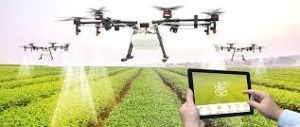
Fertilizer is essential for feeding the world, but overuse wastes resources, harms soil, and pollutes waterways. Artificial Intelligence is transforming fertilizer application into a science of precision, delivering the right nutrients, in the right place, at the right time, for maximum yield and minimal environmental impact.
🎯 How AI Can Make This Product or Solution Much Better
📏 Optimal Fertilizer Dosage and Timing
AI analyzes soil nutrient data, crop growth stages, and weather forecasts to recommend exact doses and application windows.
This ensures nutrients are available when crops need them most, while reducing waste and runoff.
🗺 Site-Specific Nutrient Management (SSNM)
Machine learning combines drone/satellite imagery with IoT soil sensors to map nutrient levels at micro-plot scale.
It enables variable-rate application (VRA), targeting only the zones that need supplementation.
⚙ Real-Time Application Control
AI-powered applicators adjust fertilizer flow on the move, using GPS and live field data.
This improves uniformity and minimizes over-application even in highly variable terrain.


 Our specialty focus areas include

Net Zero by Narsi
Insights and interactions on climate action by Narasimhan Santhanam, Director - EAI
View full playlist📆 Seasonal and Long-Term Planning
Predictive analytics track long-term soil fertility trends, helping farmers sustain yields while regenerating soil health.
AI creates sustainable nutrient plans that adapt over multiple growing seasons.
🌦 Integration with Weather Prediction
By syncing fertilizer schedules with rainfall forecasts, AI minimizes nutrient leaching and maximizes absorption rates.
🛠️ How AI Overcomes Key Challenges
| Challenge | AI Solution |
|---|---|
| Overuse causing soil degradation & pollution | Optimizes dosage based on real-time soil retention and crop needs |
| Variability within fields | Uses multispectral imaging to tailor zone-specific fertilizer rates |
| Rising fertilizer costs | Increases nutrient-use efficiency (NUE) to cut waste and costs |
| Climate-driven nutrient cycle shifts | Integrates seasonal climate models into nutrient planning |
🤖 Main AI Tools and Concepts Used
- CNNs for nutrient deficiency detection via imagery
- Random Forests & Gradient Boosting for yield/nutrient prediction
- GIS-based nutrient mapping and VRA integration
- IoT soil sensors for real-time nutrient monitoring
- DSS platforms combining weather, soil, and crop data
📊 Case Studies
- Yara International + IBM Watson: AI-powered “Yara FarmWeather” integrates weather, soil, and crop models for optimal scheduling.
- CropX (Israel): Soil analytics platform improving NUE by up to 20% via AI-driven recommendations.
- AgroAI (India): Drone-based nutrient mapping triggers micro-fertilizer applications.
- John Deere (USA): Real-time, AI-enabled precision applicators with variable-rate control.
🚀 Relevant Startups & Providers (TRL 7–9)
| Company | Focus |
|---|---|
| CropX (Israel) | AI soil analytics for precision nutrient and irrigation management |
| Agro.AI (India) | AI-based drone nutrient mapping and precision spraying |
| Yara Digital Farming (Norway) | Global AI nutrient recommendation systems |
| Prospera Technologies (Israel) | AI vision tools for nutrient stress detection |
| John Deere (USA) | AI-integrated VRA fertilizer applicators for large farms |
💡 Want More?
Follow us for more insights on how AI is reshaping agriculture – from precision fertilization to autonomous farm operations, delivering higher yields with a lighter environmental footprint.